Ghost Jobs: Why You Are Applying to Companies That Aren't Actually Hiring
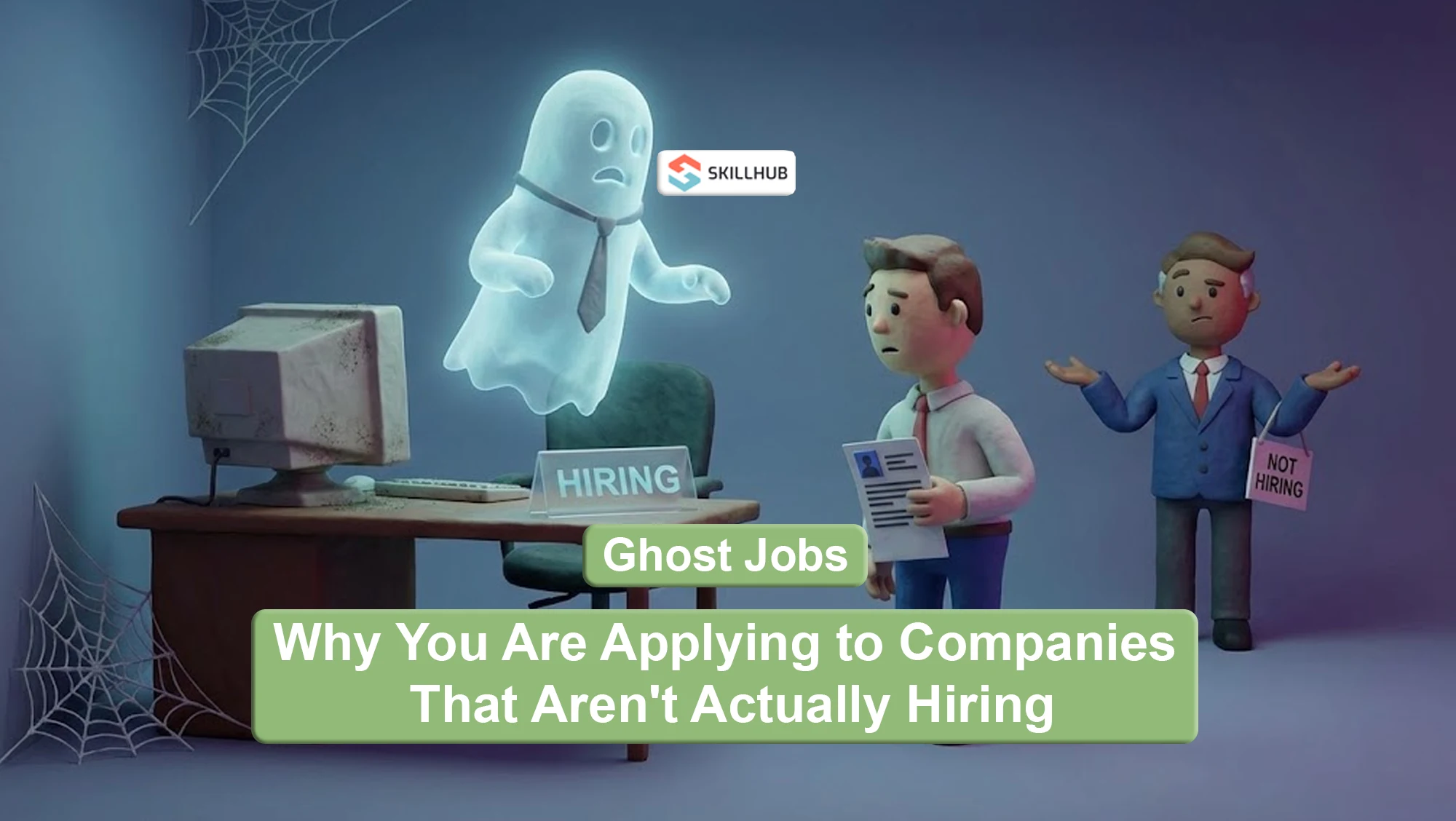
You have done everything right. You tailored your resume. You wrote a thoughtful cover letter. You applied within 24 hours of the job posting going live.
And then… silence.
Not a rejection email. Not a screening call. Just absolute void.
If this has happened to you recently, you are not alone, and more importantly—it is likely not your fault. You may have fallen victim to one of the most frustrating trends in the modern labor market: The Ghost Job.
A "Ghost Job" is a vacancy that is listed on job boards, corporate career sites, and LinkedIn, but for which the employer has no intention of hiring. They are not looking for a candidate. The role might not even exist. Yet, the "Apply" button is active, collecting data and hope from thousands of job seekers.
Why would companies waste time posting jobs they won't fill? The reasons range from cynical corporate strategy to internal disorganization. Here is a deep dive into the phenomenon of Ghost Jobs, why they exist, and how you can spot them before you waste another hour of your life.
The Scale of the Problem: It’s Not Just Paranoia
For a long time, candidates suspected that some job postings were fake. Now, we have data to prove it. Recent surveys of hiring managers have revealed shocking statistics: some estimates suggest that up to 40-50% of open job listings on major platforms are not actively being recruited for.
These listings sit there, sometimes for months, refreshing automatically to appear "New." They clutter the search results and distort the unemployment data. But behind the scenes, there is no recruiter assigned to review the applications.
Why Companies Post "Fake" Jobs
If hiring costs money, why spend resources posting fake ads? The answer lies in optics, psychology, and data harvesting.
1. The "Illusion of Growth" Strategy
In the corporate world, perception is reality. Companies want to look successful to their investors, shareholders, and competitors.
- The Signal: A company that is hiring is growing. A company with no open roles is stagnant.
- The Reality: By keeping 50 "Ghost Jobs" open on their careers page, a company signals, "We are expanding! Business is booming!" even if they are actually on a hiring freeze or planning layoffs. It is a marketing tactic disguised as recruitment.
2. Placating Overworked Employees
This is one of the more cynical reasons. Let’s say a marketing team is burnt out. They are doing the work of three people and complaining to their manager.
- The Manager's Move: The manager knows there is no budget to hire help. But to keep the team from quitting, they post a job opening.
- The Lie: They tell the team, "Hang in there! We have a job posting up, we are looking for support!"
- The Result: The team feels hope and keeps working. The manager rejects every applicant as "not quite the right fit" to drag out the process indefinitely.
3. Resume Harvesting (Talent Hoarding)
Data is valuable. Companies often post generic roles (e.g., "Software Engineer," "Project Manager") just to collect a database of resumes.
- The Goal: They aren't hiring now, but they might hire in 6 months. They want to build a pipeline so that when a real need arises, they don't have to start from scratch.
- The Problem: You are applying for a job today because you need a salary today, not to be stored in a database for next year.
4. The "Internal Hire" Formality
Many companies have legal or policy requirements to post every open position publicly, even if they have already decided to give the promotion to "Sarah from Accounting."
- The Charade: They post the job. You apply. They interview you. But the decision was made weeks ago. You are simply a prop in their compliance theater.
How to Spot a Ghost Job (The Red Flags)
You cannot avoid Ghost Jobs entirely, but you can learn to identify the warning signs. Before you invest energy into an application, run the listing through this checklist.
1. The "Posted Date" is Ancient
If a job has been posted for 30+ days, be suspicious. In a competitive market, real jobs get filled quickly.
- The nuance: Sometimes jobs are "reposted" to look new. Check the job ID number or look for the role on the company’s own website. If the job ID is old but the date is new, it’s a zombie listing.
2. The Description is Vague and Generic
Real jobs have specific problems that need solving. Ghost jobs often look like they were written by AI.
- Ghost: "Looking for a hardworking self-starter to join our dynamic team." (No specific projects, no specific team mentioned).
- Real: "Looking for a React developer to help migrate our legacy payment system."
3. It’s an "Evergreen" Role
Some roles are always open because high-turnover companies (like sales agencies or call centers) are always churning people.
- The Sign: "Sales Representative - Hiring Immediately!" posted every single week for a year. This isn't a career opportunity; it's a revolving door.
4. No Activity on LinkedIn
If the job is on LinkedIn, look at the "Hiring Team" section. Is there a recruiter listed?
- Check: Click on the recruiter's profile. Have they posted about this role recently? If their last post was 3 months ago, or if they have "Open to Work" on their profile, the job is likely dead.
The Strategy: How to Stop Chasing Ghosts
Knowing that the system is broken is the first step. The second step is changing how you play the game.
1. Stop Relying on "Easy Apply"
The easier it is to apply, the more likely the job is flooded or fake. "Easy Apply" buttons are the graveyard of resumes.
- Pivot: Use job boards only for research. Once you find a company, go to their actual website. If the job isn't listed on their corporate site, it doesn't exist.
2. Tap into the Hidden Job Market
The most desirable jobs are often filled before they are ever posted publicly. This is called the "Hidden Job Market."
- Strategy: Instead of applying to a cold posting, network with people inside the company. A referral bypasses the Ghost Job pile entirely. Read our guide on the Hidden Job Market to learn how to access these unlisted roles.
3. Verify Before You Apply
If you see a perfect role that looks slightly old, verify it.
- Tactic: Send a polite message to a recruiter or a peer at the company on LinkedIn. "Hi, I saw the [Role Name] listed. I’m very interested, but I noticed it’s been up for a while. Is this role still actively open?"
- If they don't reply, you have your answer.
4. Focus on Recency
Filter your job searches to show only jobs posted in the last 3 days. The fresher the posting, the higher the probability that a human being is actually looking at the inbox.
5. Don't Put All Your Eggs in One Basket
Never get emotionally attached to a job posting. Until you have a contract in hand, assume every job is a potential ghost.
The Fix: Keep your pipeline full. Use the best job search apps to cast a wide net, but prioritize quality applications for the freshest roles.
%20(1).png)
Conclusion: It’s Not You, It’s The Data
The rise of Ghost Jobs is a symptom of a digitized, dehumanized hiring market. It is frustrating, unfair, and a waste of human potential. But understanding it gives you power.
When you stop blaming yourself for the silence, you can start strategizing. You stop applying to month-old listings. You stop writing cover letters for jobs that don't exist. You start focusing your energy on real opportunities.
If you are struggling to get responses even from fresh, verified job postings, the issue might be your application materials. Ghost jobs exist, but so do bad resumes. Ensure your resume is optimized to beat the bots and impress real humans. Consult with a Skillhub Career Expert to audit your resume and make sure you are ready when a real job finally appears.
Don't let the ghosts scare you out of your career goals. Check our guide on how to find a job for more proactive strategies to navigate this chaotic market.

%20(1).webp)